
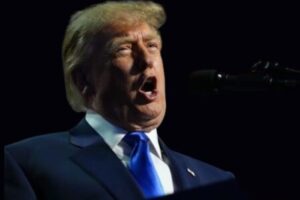
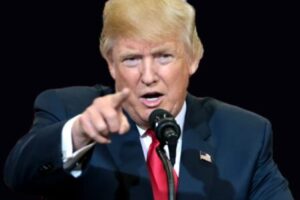





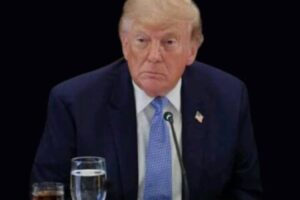





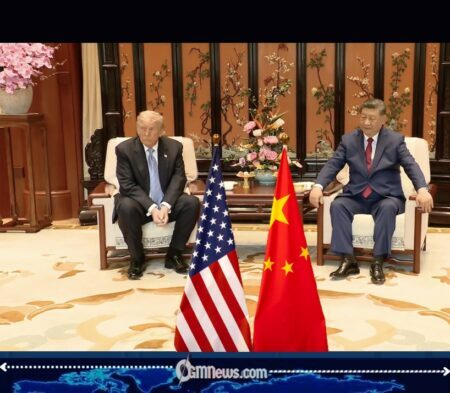
President Donald J. Trump returned from Beijing boasting about “fantastic trade deals” with Chinese President Xi Jinping, but beneath the public optimism surrounding the summit, sharp geopolitical tensions continue to threaten the fragile relationship between the world’s two largest economies. The carefully managed visit featured ceremonial dinners, business meetings and promises of economic cooperation, yet unresolved disputes over Taiwan, tariffs and global security quietly lingered behind the scenes.
Trump described the trip as an “incredible visit” and repeatedly praised his personal relationship with Xi, presenting the summit as proof that Washington and Beijing are rebuilding trust after last year’s damaging trade war. However, the absence of detailed public agreements immediately raised questions among analysts who noted that both governments appeared more interested in projecting stability than revealing concrete compromises.
Trump Says China Agreed to Buy American Jets and Soybeans
The Trade Deals announced during the summit largely revolved around Chinese commitments to purchase American products, including Boeing aircraft and U.S. agricultural exports such as soybeans. Trump also suggested that Beijing would cooperate on broader international concerns, including keeping the Strait of Hormuz open amid ongoing tensions involving Iran. According to the president, both sides now “feel very similar” on several major foreign policy issues.
The meetings also attracted some of America’s most influential business figures. Elon Musk reportedly praised the talks as “wonderful,” while Apple chief executive Tim Cook offered positive signals to reporters during the visit. Their presence highlighted the enormous commercial stakes involved, as major American corporations continue relying heavily on Chinese manufacturing, supply chains and consumer markets despite political tensions between both governments.
Taiwan Tensions Surface During Trump-Xi Beijing Summit
Despite the celebratory tone surrounding the Trade Deals, Taiwan emerged as one of the summit’s most sensitive subjects. Chinese officials reportedly warned that mishandling the Taiwan issue could lead to “clashes and even conflicts,” reflecting Beijing’s increasingly aggressive stance toward the self-governed island. Although the United States continues its longstanding policy of strategic ambiguity regarding Taiwan’s defense, Washington has steadily expanded military and economic support to Taipei in recent years.
The Taiwan discussion exposed the deeper contradictions inside the evolving U.S.-China relationship. While both countries seek economic cooperation and market stability, they remain strategic rivals competing for military influence, technological dominance and regional power. China views Taiwan as a core national interest and refuses to rule out military force for reunification, while many American lawmakers continue pressing for stronger commitments to Taiwan’s security. The summit may have reduced immediate tensions, but it also revealed how fragile the diplomatic balance remains beneath the polished public appearances.
For now, the Trump administration appears eager to frame the Beijing visit as a diplomatic success capable of calming global markets and preventing another destructive trade confrontation. Yet with limited public details surrounding the Trade Deals and unresolved disputes over Taiwan still simmering, observers expect the real test of the summit’s success will emerge in the months ahead. OGM News will continue monitoring whether the promises made behind Beijing’s ceremonial handshakes develop into lasting agreements or become another chapter in the unpredictable relationship between Washington and Beijing.
[…] […]