





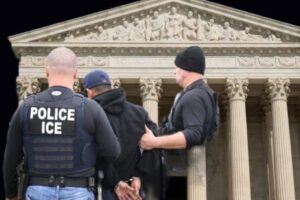




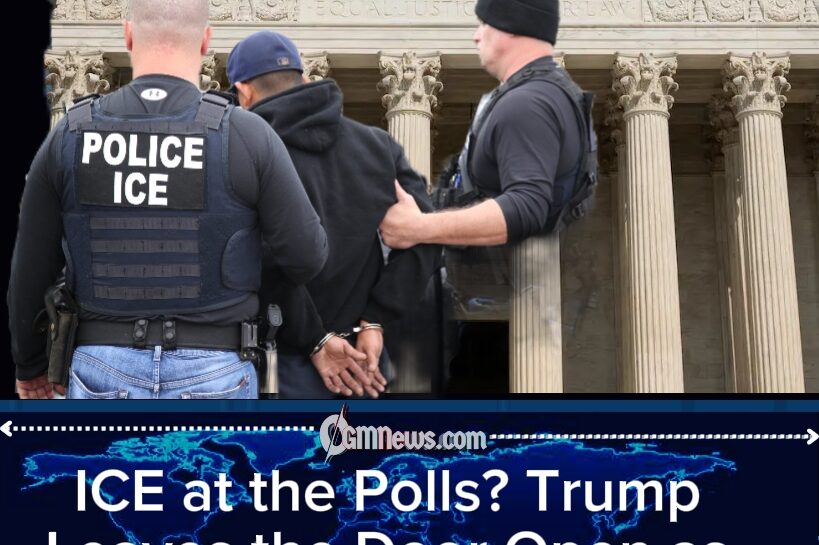







Detention became the center of a growing political controversy after White House border czar Tom Homan stated that federal immigration officers sometimes briefly detain U.S. citizens during enforcement operations based on suspicion before releasing them once their identities are confirmed. Homan defended the practice as part of routine immigration enforcement, insisting that verified American citizens are not deported after authorities establish their legal status.
The remarks immediately triggered fierce reactions from civil rights advocates, immigration activists, and legal analysts who warned that even temporary detention of citizens raises constitutional concerns. Critics argued the possibility of Americans being mistakenly swept into immigration raids highlights the risks associated with aggressive enforcement operations conducted under high-pressure conditions where officers may rely on incomplete or rapidly changing information.
Supporters of stricter immigration enforcement, however, defended Homan’s explanation by arguing that officers frequently encounter uncertain identity situations during raids targeting undocumented migrants or individuals suspected of violating immigration laws. They contend that brief detention while verifying citizenship status is a necessary operational step rather than evidence of systemic abuse.
Tom Homan: Immigration Raids Continue Fueling National Tensions
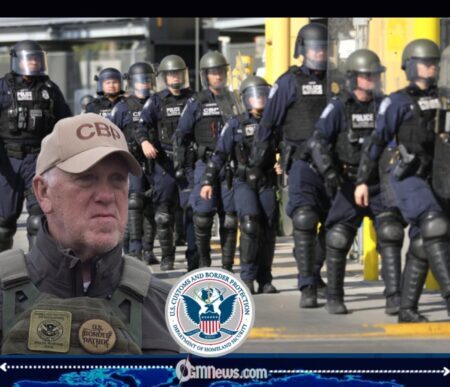
Immigration Raids remain one of the most politically divisive issues in the United States as the federal government continues expanding enforcement efforts targeting undocumented migrants and individuals with outstanding deportation orders. The broader crackdown has already sparked legal battles, protests, and accusations of racial profiling in several states where federal operations have intensified.
Civil liberties groups warned that mistaken detentions involving citizens could damage trust between immigrant communities and law enforcement agencies, particularly in neighborhoods where mixed-status families already fear federal raids.
Legal experts also noted that constitutional protections against unlawful detention apply regardless of immigration status, increasing scrutiny over how officers establish suspicion during field operations.
Meanwhile, supporters of tougher border policies argue that immigration enforcement inherently involves fast-moving situations where temporary identity checks are unavoidable. They point to broader concerns over illegal border crossings, human trafficking, and transnational crime as justification for expanded enforcement authority. Homan himself has repeatedly defended aggressive immigration tactics as essential to national security and border control.
Social media reactions reflected both anxiety and satire following the comments. Some users mocked the situation by joking Americans may soon need to carry passports to visit grocery stores, while others warned the issue reveals a deeper national conflict over how far enforcement powers should extend inside the country.
As debates over border policy intensify ahead of future political battles, Homan’s remarks have reignited difficult questions about the balance between national security, immigration enforcement, and civil liberties. Whether the administration faces increased legal or political pressure over Detention practices may depend on how often such incidents occur — and how much the public is willing to tolerate in the name of border security. OGM News will continue monitoring developments surrounding federal immigration operations and the national response to expanding enforcement measures.


[…] […]