








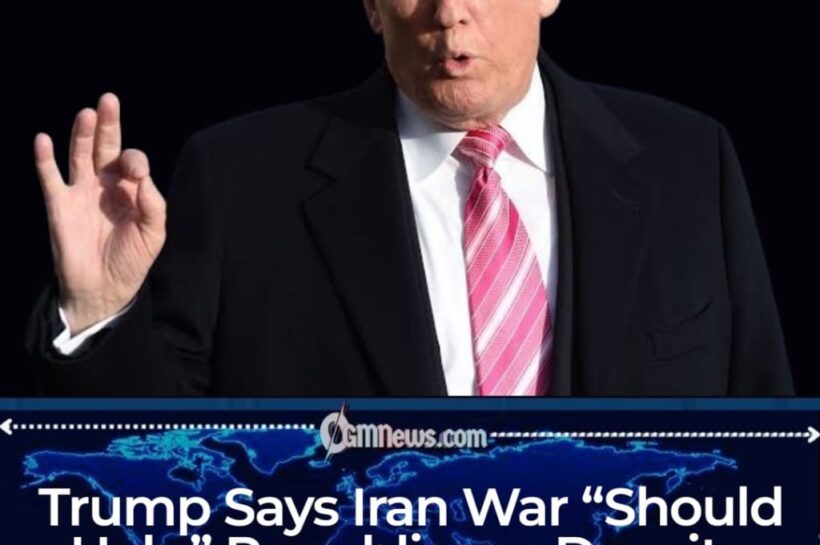












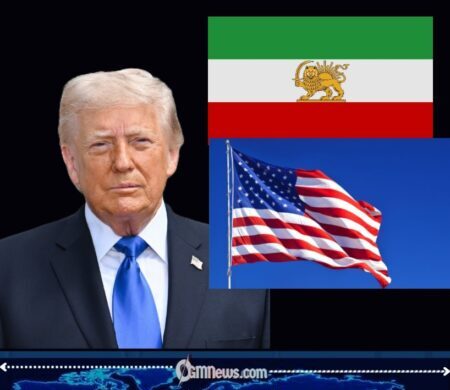
President Donald Trump has threatened Iran with renewed and potentially “higher-level” military strikes if Tehran fails to accept a peace agreement, even as he claimed that negotiations aimed at ending the conflict had achieved “great progress.” The remarks came amid growing uncertainty over the future of U.S.-Iran relations following a temporary suspension of “Project Freedom,” the U.S.-led maritime operation designed to secure shipping routes through the Strait of Hormuz.
Speaking after announcing the pause in military escort operations, Trump said discussions brokered by Pakistan had opened a pathway toward what he described as a “Complete and Final Agreement” to end hostilities. However, the president also cautioned that it was “too soon” to resume direct high-level talks with Iranian officials, suggesting that Washington remains cautious about Tehran’s intentions.
The latest developments have intensified global attention on the strategic Gulf region, where recent attacks on commercial shipping and rising diplomatic tensions have increased fears of broader instability. While both sides have indicated some willingness to continue negotiations, sharp disagreements remain over military activity, regional security, and international participation in the conflict resolution process.
Suspension of “Project Freedom” Raises New Questions
The Trump administration’s decision to temporarily halt “Project Freedom” marked a significant shift in U.S. operations in the Gulf. The initiative had been launched to guide and protect vessels moving through the Strait of Hormuz after a series of attacks threatened one of the world’s most critical energy shipping routes.
Trump said the suspension was intended to create room for diplomacy and determine whether negotiations with Iran could produce a lasting settlement. According to the president, discussions facilitated by Pakistan had shown encouraging signs, prompting Washington to test whether military de-escalation could support the peace process.
Despite the pause, uncertainty remains high. Iran has not officially responded to Trump’s announcement, and international observers fear that the temporary reduction in military activity could either open the door for diplomacy or create new security risks in the region.
Iran Rejects Allegations Over Strait of Hormuz Ship Attack
Iran has firmly denied accusations that its forces attacked a South Korean cargo vessel traveling through the Strait of Hormuz earlier this week. The Panama-flagged HMM Namu caught fire after an onboard explosion while carrying 24 crew members through the strategic waterway.
Tehran’s embassy in Seoul dismissed allegations linking Iran to the incident, describing the claims as false and politically motivated. Iranian officials insisted that their armed forces had no involvement in the explosion and accused critics of attempting to escalate tensions during sensitive negotiations.
President Trump, however, suggested that Iran had “taken some shots” at the vessel and called on South Korea to support U.S.-led maritime security efforts in the Gulf. In response, South Korean officials initially indicated they would review possible participation in escort operations, though the subsequent suspension of Project Freedom appeared to reduce the urgency of that decision.
Diplomatic Efforts Continue Despite Threats of Renewed Bombing
Even while emphasizing diplomacy, Trump maintained a strong warning toward Tehran. The president said Washington would not hesitate to resume bombing operations if negotiations collapsed, reinforcing the administration’s dual strategy of military pressure and diplomatic engagement.
During remarks at the White House, Trump refused to set a strict timeline for negotiations. “Never a deadline,” he told reporters when asked whether talks with Iran had a fixed endpoint. “It’ll happen. But never a deadline.”
The statement represented a softer approach compared to previous attempts by the administration to impose deadlines and ceasefire limits. Analysts believe the president’s latest comments suggest the White House is attempting to keep communication channels open while maintaining leverage through military threats.
Pakistan Emerges as a Key Mediator
Pakistan has increasingly positioned itself as a central diplomatic intermediary in the crisis. Officials familiar with the talks say Islamabad has been actively working to bridge gaps between Washington and Tehran in hopes of preventing a wider regional war.
The Pakistani mediation effort appears to have gained credibility after Trump publicly acknowledged “great progress” in discussions. While details of the negotiations remain limited, diplomats believe the talks focus on maritime security, limits on military escalation, and guarantees surrounding future regional operations.
Pakistan’s involvement reflects broader international concern over instability in the Gulf. Any prolonged conflict in the Strait of Hormuz could disrupt global energy markets and threaten international trade, making successful mediation a priority for several countries.
Iran’s World Cup Participation Becomes Political Issue
The tensions between Washington and Tehran have also extended into international sports. Mehdi Taj, the head of Iran’s football federation, confirmed that Iran intends to participate in the upcoming World Cup in North America but demanded guarantees against political hostility.
Taj stated that “our host is FIFA, not Mr. Trump or America,” emphasizing that sporting events should remain separate from political disputes. He warned that disrespect toward Iran’s military institutions could create complications similar to those faced by Iranian delegates who recently turned back from Canada while traveling to a FIFA Congress in Vancouver.
Canadian authorities reportedly canceled Taj’s visa during his journey due to alleged links to the Islamic Revolutionary Guard Corps. U.S. Secretary of State Marco Rubio later clarified that Iranian players would be permitted to compete in the United States, though individuals connected to the IRGC would still face restrictions.
Uncertain Path Ahead for U.S.-Iran Relations
The coming weeks are expected to determine whether diplomacy can prevent a return to military confrontation between the United States and Iran. While Trump’s administration has projected optimism about ongoing negotiations, the continued exchange of threats and accusations highlights the fragile nature of the process.
Security experts warn that even isolated incidents in the Strait of Hormuz could rapidly undermine diplomatic momentum. Commercial shipping companies, regional governments, and international allies are closely monitoring developments amid fears that a breakdown in talks could destabilize the broader Middle East.
For now, Washington appears to be balancing pressure with negotiation, hoping that the suspension of military operations can encourage progress without weakening deterrence. Whether that strategy succeeds may depend on how both sides respond in the critical days ahead.

[…] […]