






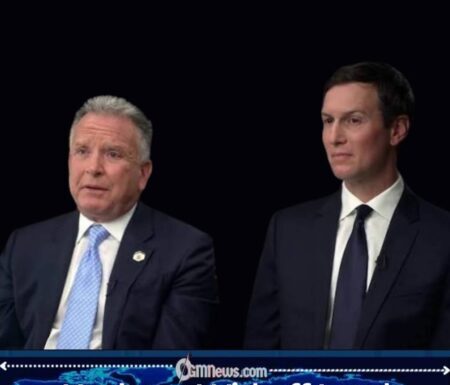
Kushner Witkoff are set to spearhead a new round of talks with Iran in Pakistan, marking a renewed diplomatic effort by the United States to revive stalled negotiations amid ongoing regional tensions. The move comes after earlier discussions failed to produce a breakthrough, prompting a recalibration of strategy by U.S. officials.
The upcoming talks are expected to involve Iran’s foreign minister, with Pakistan once again acting as a mediator between the two sides. The location underscores Islamabad’s growing role as a diplomatic bridge in high-stakes international negotiations.
Kushner Witkoff’s involvement signals continuity in the U.S. negotiating team, even as leadership dynamics shift compared to previous rounds of dialogue.
Diplomatic Reset and Strategic Shifts
Kushner Witkoff are entering discussions at a time when both sides are seeking to stabilize a fragile ceasefire and explore pathways toward de-escalation. The renewed talks follow weeks of tension that have disrupted regional stability and global markets.
The absence of earlier breakthroughs has led to adjustments in approach, with a focus on incremental progress rather than sweeping agreements.
Observers note that diplomatic resets often involve changes in personnel, tone, or structure to create new opportunities for engagement.
Kushner Witkoff and Absence of JD Vance
Kushner Witkoff will lead this round of talks without JD Vance, who previously played a central role in negotiations. His absence reflects a shift in the composition of the U.S. delegation.
Officials have indicated that Vance remains on standby and could join the talks if significant progress is made, suggesting a flexible approach to participation.
The decision highlights how diplomatic teams can adapt based on the stage and perceived importance of negotiations.
Regional Mediation and Pakistan’s Role
Kushner Witkoff’s meetings in Pakistan emphasize the country’s role as a mediator in complex geopolitical disputes. Islamabad has hosted multiple rounds of discussions, positioning itself as a neutral venue for dialogue.
Pakistan’s involvement reflects its strategic interest in regional stability and its capacity to facilitate communication between parties with strained relations.
The continued use of Pakistan as a meeting ground underscores the importance of third-party mediation in international diplomacy.
Kushner Witkoff and Broader Geopolitical Stakes
Kushner Witkoff’s engagement in the talks comes against the backdrop of broader geopolitical stakes, including security concerns, economic implications, and regional alliances. The outcome of these discussions could influence not only bilateral relations but also wider global dynamics.
Energy markets, security arrangements, and diplomatic alignments are all closely tied to developments in the region.
The stakes highlight why sustained diplomatic efforts remain a priority despite previous setbacks.
Kushner Witkoff are expected to continue negotiations in the coming days, with attention focused on whether this round of talks can achieve progress where earlier efforts stalled. The presence of key officials and the involvement of mediators suggest a continued commitment to dialogue.
Future developments will depend on the willingness of both sides to compromise and address core issues.
Ultimately, the talks represent another chapter in an ongoing effort to navigate complex geopolitical challenges through diplomacy rather than escalation.