



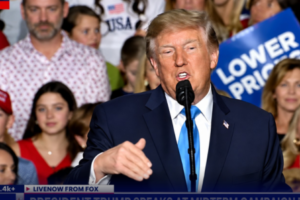













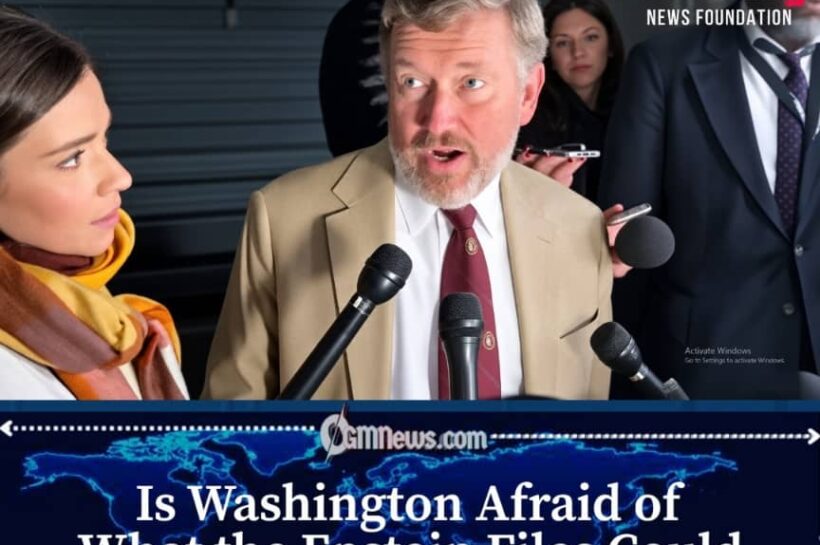



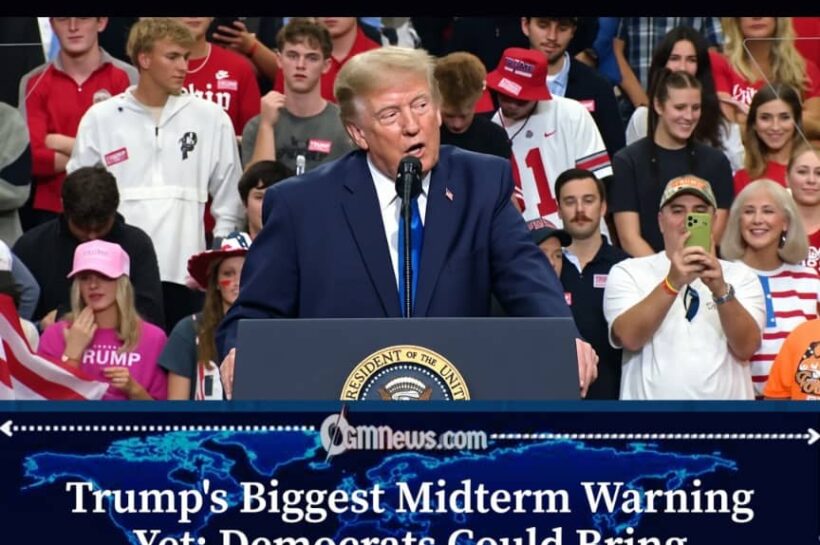




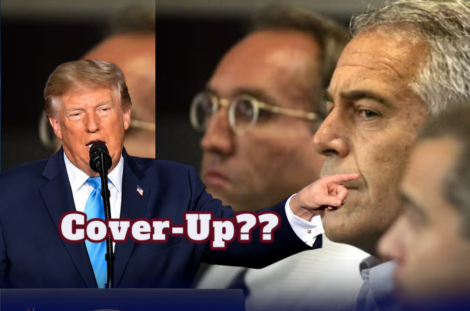
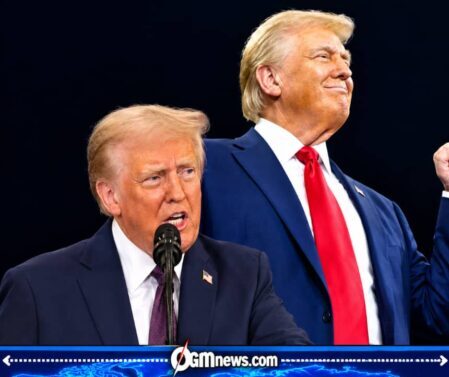
President Donald Trump has strongly denied any wrongdoing in connection with the Jeffrey Epstein files, stating publicly that he knows nothing about the records and has been “fully exonerated.” His remarks have reignited debate in Washington, where lawmakers and legal analysts are examining whether such a claim reflects a formal legal conclusion or a political defense.
Donald Trump has not cited a specific court ruling or investigative report that formally clears him of all allegations tied to Epstein’s network. Legal experts emphasize that exoneration typically requires a definitive judicial determination. In the absence of such a ruling, the president’s statement is being interpreted differently across the political spectrum, with supporters viewing it as proof of innocence and critics urging caution until all records are fully disclosed.
The renewed attention on Donald Trump underscores how the Epstein case continues to reverberate through U.S. politics, years after Epstein’s death, with transparency and accountability remaining central concerns.
Donald Trump and the Push for Full Disclosure
Donald Trump’s comments have coincided with growing calls from lawmakers and transparency advocates for the full release of Epstein-related documents. Critics argue that incomplete disclosures and withheld interviews prevent the public from understanding the full scope of Epstein’s network and any potential institutional failures.
Supporters of Donald Trump contend that extensive investigations over the years have not resulted in charges against him, which they see as evidence that further scrutiny is unnecessary. However, transparency groups insist that the issue extends beyond any single individual and involves ensuring that federal agencies complied with disclosure laws.
The debate surrounding Donald Trump has therefore evolved into a broader discussion about public access to government records, the limits of redaction, and the balance between privacy protections and accountability.
Missing Interviews and Unreleased Records Raise Concerns
Investigative reports indicate that multiple FBI interviews connected to Epstein-related allegations were conducted, yet only a portion has been released publicly. References to additional interviews appear in internal documentation, suggesting that the public archive may be incomplete.
Transparency advocates argue that these gaps undermine confidence in federal disclosure practices. Lawmakers from both parties have requested explanations for missing pages and unexplained redactions, noting that incomplete records make it difficult to assess the full extent of Epstein’s associations.
Federal officials have responded that some materials may be withheld due to legal privilege, privacy protections, or ongoing investigative relevance. Nonetheless, the lack of detailed justifications has fueled skepticism and intensified calls for independent review.
Congressional Oversight and Bipartisan Scrutiny
The controversy has prompted bipartisan oversight efforts in Congress, where committees are examining whether federal agencies complied with transparency laws in releasing Epstein-related records. Lawmakers have requested briefings to clarify why certain materials were excluded or heavily redacted.
Some members of Congress have framed the issue as a test of institutional accountability rather than a partisan dispute. They argue that transparency in high-profile cases is essential for maintaining public trust in federal law enforcement and the justice system.
These oversight efforts include reviews of record retention policies, redaction standards, and legal justifications for withholding documents. The bipartisan nature of the inquiries reflects the seriousness of the concerns and their potential impact on future disclosure practices.
DOJ Review and Legal Constraints on Disclosure
The U.S. Department of Justice maintains that its handling of the Epstein files complies with applicable laws and court orders. Officials have stated that certain documents cannot be released due to privacy protections, attorney-client privilege, or ongoing investigative considerations.
Legal scholars note that such exemptions are common in large-scale document releases, particularly when sensitive personal information or potential criminal proceedings are involved. However, they also emphasize that transparency laws require agencies to provide clear and consistent explanations for redactions and withheld materials.
The DOJ has indicated it will review claims of improper withholding and release additional records where legally permissible. This ongoing process suggests that the current public archive may not represent the final record.
Political Implications and Public Trust
The Epstein files controversy has broader implications for public trust in government institutions. Conflicting narratives, incomplete disclosures, and unresolved legal questions have fueled skepticism among citizens and advocacy groups.
For Donald Trump, the issue carries political ramifications as he serves his second term as U.S. president. Supporters view the controversy as politically motivated, while critics argue that full transparency is essential to accountability. The dispute highlights the challenge of balancing legal safeguards with the public’s demand for openness.
Experts suggest that independent audits, clearer disclosure standards, and bipartisan oversight could help resolve the controversy. Until all relevant materials are reviewed and released where legally permissible, the Epstein files will likely remain a focal point of legal scrutiny and political debate.
Conclusion: Transparency Debate Far From Over
The debate surrounding the Epstein files continues to evolve as reviews by the Department of Justice and congressional oversight efforts seek to clarify the completeness of public disclosures. While Donald Trump maintains that he has been fully exonerated, the absence of a definitive legal ruling and the existence of undisclosed materials complicate that claim.
As additional records may yet be released, the ultimate resolution will depend on whether authorities can provide a comprehensive and credible public account. Until then, the controversy remains a significant test of transparency, accountability, and public trust in government institutions.
[…] […]