









It was déjà vu on Minneapolis’s snowy streets. Just weeks after the fatal January 7 shooting of 37-year-old Renée Nicole Good by a federal Immigration and Customs Enforcement (ICE Agents) — an incident that sparked national outrage — the city awoke on January 24 to news of another deadly encounter involving federal agents during a massive immigration enforcement operation. With protests swelling, local officials admonishing federal tactics, and legal observers questioning accountability, the Twin Cities find themselves at the epicenter of a heated debate over public safety, federal authority, and community trust.
ICE Agents On Shooting Spree? Renée Good’s Death
On the morning of January 7, 2026, federal agents conducting an immigration enforcement operation in south Minneapolis shot and killed Renée Nicole Good, a 37-year-old resident and legal observer. The incident occurred at a busy intersection and was quickly captured on video, setting off intense scrutiny and conflicting narratives.
Federal officials claimed the ICE Agents fired in self-defense, asserting that Good’s vehicle threatened officers. However, many witnesses, local leaders, and community members disputed that account, saying video evidence did not support the self-defense claim. The shooting ignited immediate protests and calls for transparency.
Good’s death was later officially ruled a homicide by the Hennepin County Medical Examiner’s Office, which confirmed multiple gunshot wounds — a finding that further amplified public concern and media attention.
A Second ICE Agents‘ Fatal Encounter: January 24 Shooting
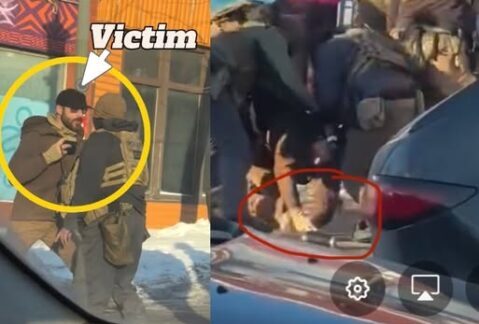
Barely three weeks later, on January 24, 2026, Minneapolis was shaken once again when federal agents fatally shot a 37-year-old man during a similar enforcement operation. The Department of Homeland Security stated ICE Agents fired their weapons after the man allegedly approached them with a handgun and resisted disarmament.
Local law enforcement confirmed that the man was an American citizen and licensed gun owner, intensifying debate over use of force and operational oversight.
The street where the shooting occurred soon became the scene of protest clashes, with officers deploying crowd-control measures. Citizens voiced frustration and grief, decrying what they see as escalating aggression by federal agents.
Mounting Public Outcry and Political Response to ICE Agents‘ Aggressions
Both shootings have triggered strong reactions from political leaders across the spectrum. Minneapolis officials and Minnesota’s governor have repeatedly called for federal agents to cease operations within the city, arguing that their presence undermines community trust and safety.
Protesters, some marching in subzero temperatures with slogans and chants, have demanded the removal of ICE from Minnesota. Public demonstrations have taken place not only in Minneapolis but also in other cities nationwide in solidarity.
Civil liberties organizations, including the ACLU and its Minnesota chapter, have condemned the January 24 shooting, calling for immediate action and withdrawal of federal enforcement agents.
Federal Narrative vs. Community Accounts
Federal authorities consistently frame these encounters as defensive responses to dangerous situations. But multiple videos circulating online — and eyewitness accounts — show chaotic confrontations that many locals and independent observers say contradict official narratives.
In the case of Renée Good, the official account of a vehicle used as a weapon was challenged by local leaders and family statements, with many implying excessive force against a non-threatening legal observer.
The January 24 incident, too, is the subject of competing interpretations, with protestors alleging excessive force and federal officials maintaining that agents acted lawfully.
Law Enforcement Policy, Legal Debate, and Accountability
Legal experts and civil rights advocates have raised questions about how federal agents operate in interior enforcement roles far from traditional border zones, including Minneapolis — more than 200 miles from any U.S. border. Many point to constitutional norms restricting use of deadly force to situations of imminent threat.
Investigations into both shootings are ongoing, involving federal agencies like the FBI and local law enforcement investigators. Community calls for independent reviews and transparent reporting continue to gain traction.
Community Resilience and Ongoing Demonstrations
Amid the grief and controversy, Minneapolis residents have shown resilience. Vigils, organized marches, and civic meetings are a part of daily life as citizens grapple with the implications of repeated federal shooting incidents. Protest activity has drawn diverse crowds, uniting voices across generations and backgrounds.
Schools, museums, and even sports arenas briefly closed their doors in observance or in response to protests, underscoring the deep impact these events have had on community life.
ремонт фундамента новокузнецк